Home › Common Problems › Leaning or Tilting Fence Posts
Leaning or Tilting Fence Posts
in Pearland, TX
A leaning fence post looks minor but it means the post has lost its hold in the ground. In Pearland, the black clay soil expands every time we get a heavy rain and contracts in a dry summer, and that constant movement works posts loose faster than in sandier parts of Texas. Ignore it and the lean gets worse until rails crack, boards fall off, and the whole fence section comes down.
Pearland Fence Repair Pros helps Pearland, TX homeowners fix leaning or tilting fence posts — call for a free inspection.
Quick Answer
Fence posts lean in Pearland mostly because the heavy clay soil here swells when it rains and shrinks when it dries out, and that repeated movement rocks the post loose over time. The fix is to dig out the old post, cut back any rot, reset it in fresh concrete, and let it cure fully before reattaching the fence boards. If more than two posts in a row are leaning, the whole run needs to be checked. Call (737) 345-0703 to get eyes on it before the next storm season.
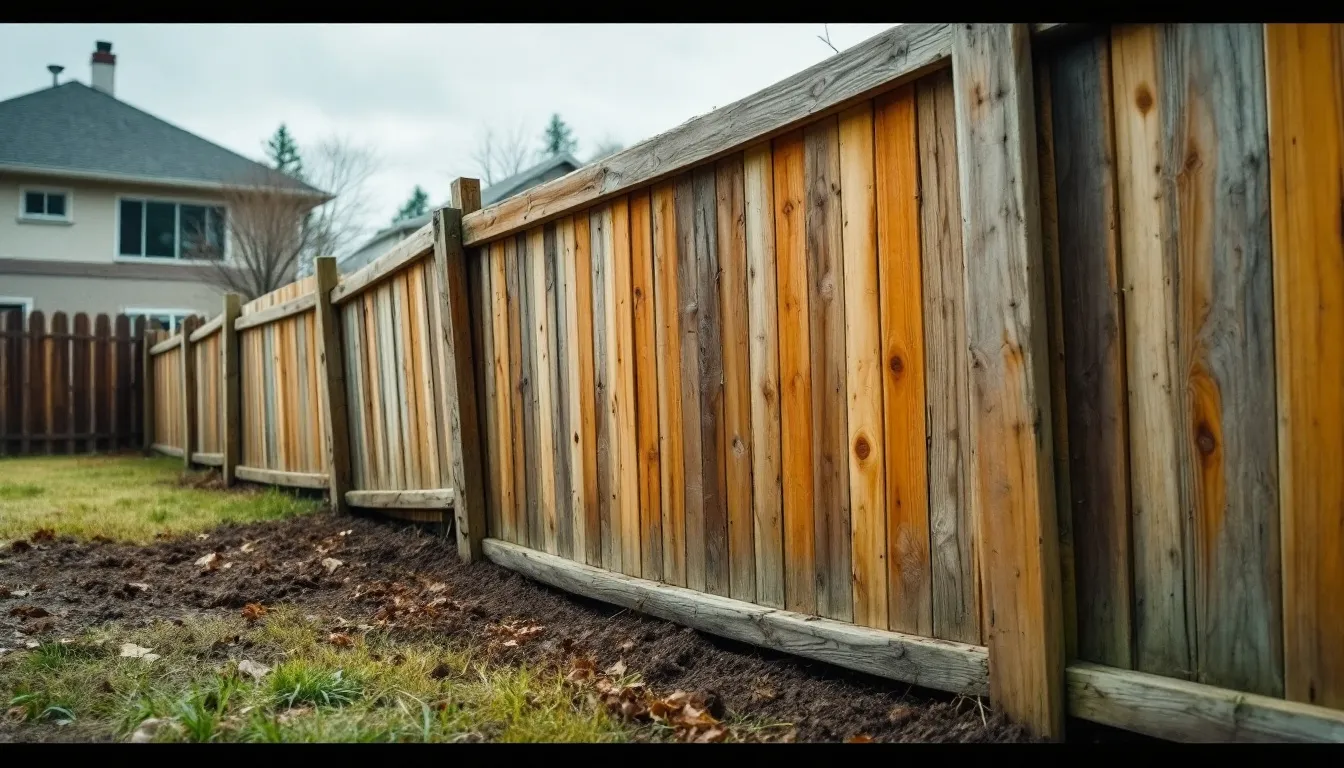
Telltale Signs
Warning Signs to Watch For
- One or more posts visibly tilted away from vertical when you sight down the fence line
- Fence boards pulling away from the rail on the side the post is leaning toward
- Post wobbles when you push it by hand
- Gap opening up between the fence bottom and the ground on one side
- Concrete footing has cracked and heaved partially out of the ground
- Fence gate no longer closes or latches because the hinge post has shifted
Root Causes
What Causes Leaning or Tilting Fence Posts?
Clay Soil Heaving
Pearland sits on expansive black clay that absorbs a lot of water. When we get 10 inches of rain in a short stretch, that clay swells against the post and then pulls away as it dries, and each cycle tilts the post a little more until the footing loses its grip.
The Fix
Post Reset with Concrete Footing
The post is pulled, any rotted section is cut off or the post is fully replaced, and it is reset in a fresh concrete footing sized correctly for the soil depth here. A proper footing below the active clay layer holds the post stable through wet and dry cycles.
Undersized or Missing Footing
A lot of fence work in older Shadow Creek Ranch and Silverlake neighborhoods was done with posts set in gravel or dirt with very little concrete. Without a solid footing, even normal rainfall softens the soil enough to let the post rock.
The Fix
Footing Replacement
The post is pulled, the hole is dug deeper and wider to meet proper depth for Pearland clay conditions, and a full concrete collar is poured. That larger footing spreads the load and resists the push and pull of the soil.
Post Base Rot
Wood posts in Pearland sit in wet clay for months at a time after heavy rain seasons. That constant moisture rots the base of the post, and a rotten post base can no longer hold itself plumb regardless of how good the footing is.
The Fix
Rotted Post Replacement
The damaged post is removed completely and replaced with a pressure-treated post rated for ground contact. Pressure treatment resists rot better in the consistently moist soil conditions common in this area.
Self-Diagnosis
Which Cause Applies to You?
Check the signs you're observing to narrow down the likely root cause before your inspection.
| What You're Seeing | Clay Soil Heaving | Undersized or Missing Footing | Post Base Rot |
|---|---|---|---|
| Post rocks when pushed by hand but concrete footing looks intact | |||
| Footing chunk is visible above ground level and cracked | |||
| Post base is dark, soft, or crumbles when probed | |||
| Lean started after a wet spring with repeated heavy rain | |||
| No concrete visible at all when you dig around the post base | |||
| Multiple posts leaning in the same direction along an older fence run |
Free Quote
Get a free quote in Pearland
No obligation — tell us what's going on and we'll text you back shortly.
Other Problems
Services That Fix This
Leaning or Tilting Fence Posts Near You
Also Helpful